
Your Next Q & A is A Formula, Not a Mystery
For many professionals, the prospect of public speaking—whether a planned toast or an impromptu question—triggers a search for inspiration. We wait for the perfect words to strike. This is a mistake. Eloquence under pressure is not born of inspiration; it is the product of structure. By internalizing a few simple formulae, you can transform anxiety […]
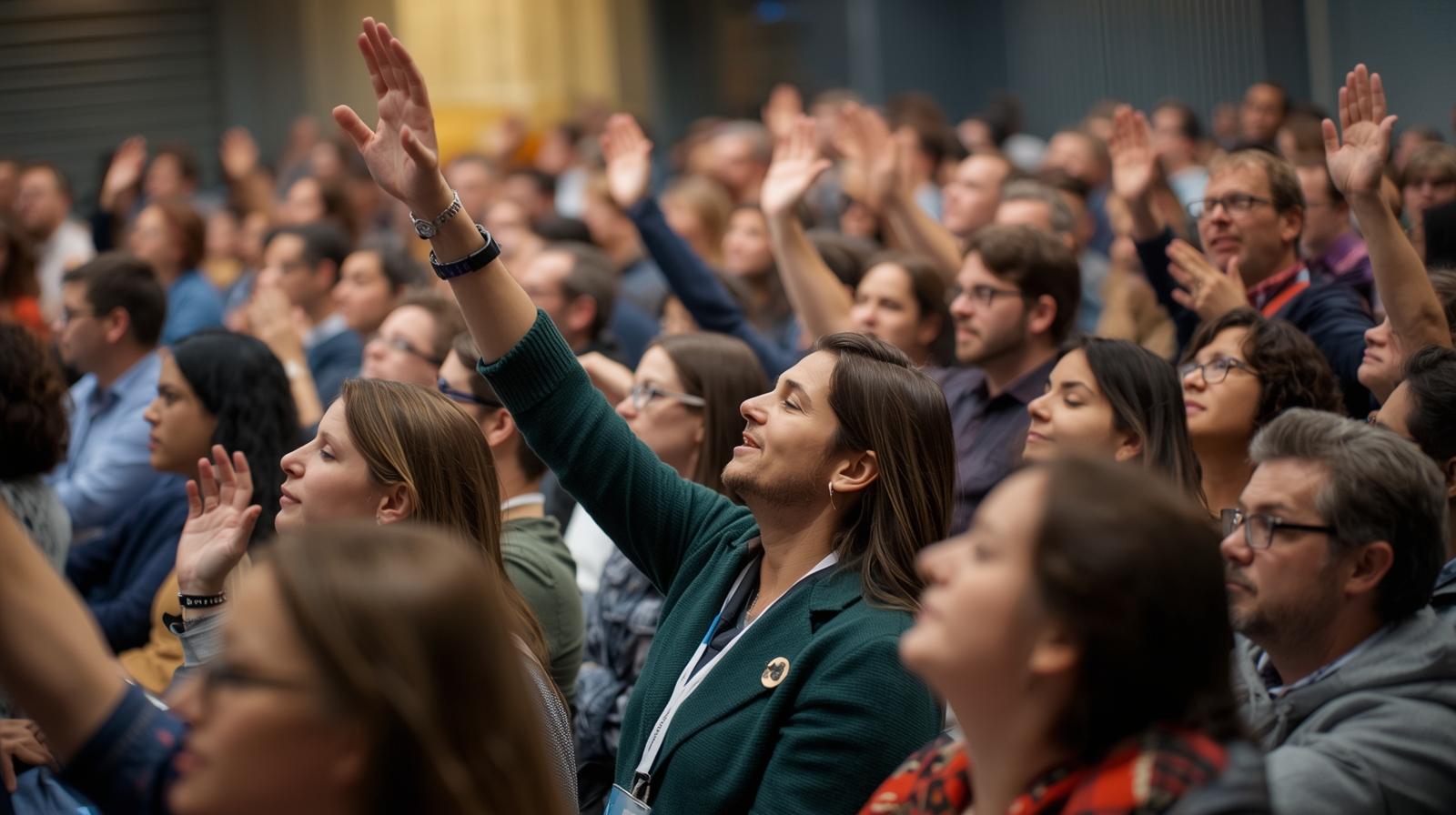
For many professionals, the prospect of public speaking—whether a planned toast or an impromptu question—triggers a search for inspiration. We wait for the perfect words to strike. This is a mistake. Eloquence under pressure is not born of inspiration; it is the product of structure. By internalizing a few simple formulae, you can transform anxiety into assured communication.
Mastering the Q&A: From Defense to Strategy
Handling questions, especially hostile ones, is not about having all the answers. It’s about controlling the conversation.
- Ask Clarifying Questions: Never answer the question you think you heard. A question like “Why did this project fail?” is a trap. Defuse it by reframing: “Could you clarify which specific aspect of the timeline you’re referring to?” This forces precision and exposes hidden assumptions.
- Paraphrase Brilliantly: Restating the question in your own words serves two crucial purposes. First, it proves you were listening (“So, if I understand correctly, you’re asking about our post-launch strategy…”). Second, and more importantly, it allows you to reframe a hostile question into a neutral one, shifting the question from an attack on a “disaster” to a discussion of a “challenge.”
- Answer (Finally): Now, deliver your concise, structured response. By following these steps, you have bought yourself vital thinking time, demonstrated empathy, and positioned yourself as a calm leader, not a flustered respondent.
The goal is not to sound rehearsed, but to be prepared. These formulae are the scaffolding upon which you can build authentic, confident, and impactful communication, turning moments of pressure into opportunities for leadership.